Канадський інститут українських студій (КІУС, Альбертський університет) випустив нове число провідного англомовного журналу українознавчих студій East/West: Journal of Ukrainian Studies. Число (т. 10, №. 2) підготував редакційний колектив у складі: Сергій Біленький (головний редактор), Таня Плавищак-Стех (відповідальна редакторка та редакторка відділу рецензій) і Марко Роберт Стех (директор програми наукових видань КІУСу).
З виданням можна ознайомитись у вільному доступі: https://ewjus.com/index.php/ewjus/issue/view/24.
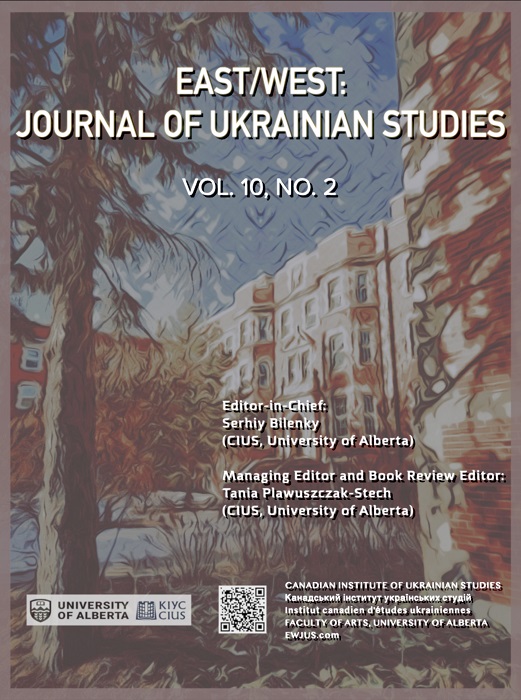
Наразі пропонуємо читачам сайту «Україна Модерна» ознайомитись з загальною панорамою числа у формі набору ключових цитат із розміщених матеріалів (ділянки: історія української мови; соціологія; історія українського літературного перекладу; дослідження і меморіалізація Голодомору; вища освіта; соціополітика; географія України; постаті видатних науковців Мирона Кордуби та Юрія Шевельова).
У подальшому в співпраці з сайтом «Україна Модерна» запланована серія публікацій-оглядів вибраних статей числа.
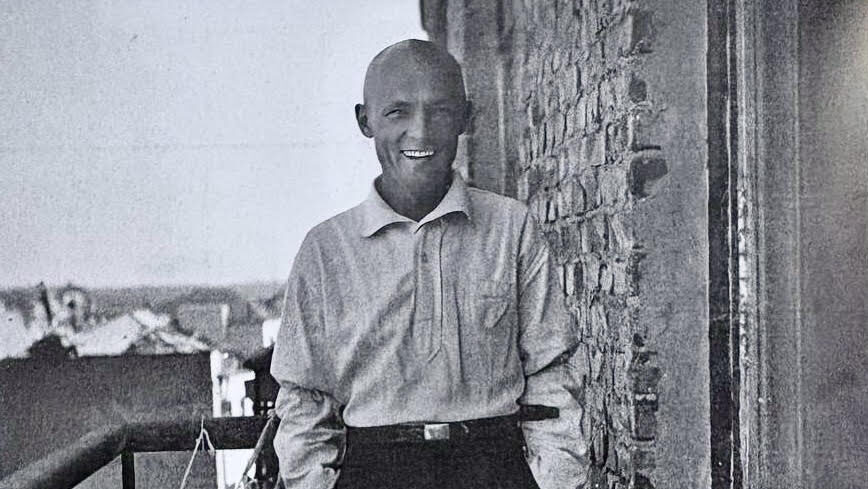
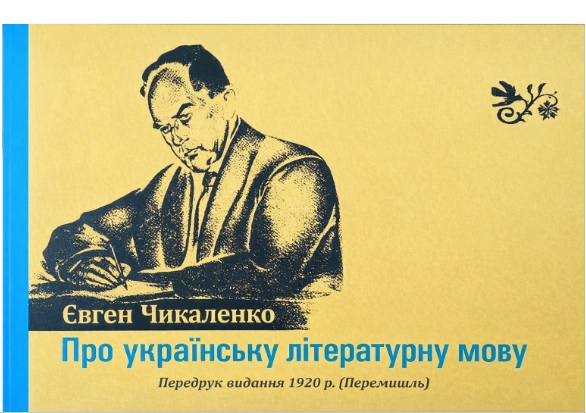
Юрій Шевельов. «Стаття перша: мовознавча» (із видання Чому общерусский язык, а не вібчоруська мова? З проблеми східнослов’янської глотології: дві статті про постання української мови).
“[T]he genuine, ‘living’ Ukrainian language . . . was never the same as Russian; and was neither an ancestor nor a descendant nor an offshoot of the Russian language. . . . [I]t seems that we are close to the truth when, rejecting and casting aside the concept of an ‘all-Russian’ language, we designate the sixth to seventh centuries as the period of the beginnings of Ukrainian-language formation and somewhere around the sixteenth century as the time of its completion.”
Повний текст за адресою: https://ewjus.com/index.php/ewjus/article/view/891
Олександра Дейнеко, Адне Асланд, Ольга Філіпова, Олена Мурадян. «Сприйняття соціальної згуртованості в Україні: різноманітність та настанови».
“This study draws on a national population survey and applies cluster analysis to identify homogeneous groups of the [Ukrainian] population in terms of their social-cohesion perceptions and behaviours. Six clusters are identified: distrustful, disunited, ambivalent, tolerant, connected, and declarative. . . . [O]ur research calls into question the relevance and validity of institutional trust (especially toward media and political institutions) as an indicator of social cohesion in societies in transition. . . . Trust in political institutions might strengthen social cohesion at the level of a society . . . without necessarily corresponding to individually oriented indicators of social cohesion, such as civic and political participations.”
Повний текст за адресою: https://ewjus.com/index.php/ewjus/article/view/775
Лада Коломієць. «Нетривке планування українськомовних перекладів на зламі 1930-х років у контексті формування радянського канону перекладної літератури».
“This study, overall, makes the case that translation is in fact an integral part of Ukrainian cultural history, not merely an addition to it. . . . In pointing out robust intellectual developments in the translation sphere in [Soviet] Ukraine that resisted Russocentric perspectives, this paper showcases innovative approaches not focused on the central cultural institutions in Moscow but rather offering a Ukrainian national perspective for the study of the ideology of translation in the early Soviet Union. . . . When looking at the formation of the Soviet canon of translated literature, it becomes evident that the translation hierarchy imposed by the ruling Communist Party with increasing rigidity from the early 1930s clashed with the interests of the Ukrainian national revival, which began in the 1920s. The publishing plans of translations into the Ukrainian at the turn of the 1930s testify to the incredible scope of both fiction and non-fiction publications planned in the Ukrainian. However, with the introduction of the Soviet canon of world literature, which had begun to form in the mid-1920s, and in light of the Russian model of linguistic purity that was being superimposed by the Bolshevik Party onto the Ukrainian language in order to bring it closer to the Soviet Russian language, the undertaking of translations into the Ukrainian became a precarious endeavour already in the early 1930s.”
Повний текст за адресою: https://ewjus.com/index.php/ewjus/article/view/738
Кароліна Козюра. «Замовчуваний архів Голодомору: Український громадський комітет рятунку України, міжнаціональний гуманітарний рух і мережі національного співчуття».
“Ukrainian leaders across space saw the [Great Famine] not as an exceptional event or a natural disaster but, rather, as a part of a broader pattern of violence against the peasants and as a forced subjugation of Ukrainians to an imposed political system. In the 1930s, such a political understanding of famine—that is, the famine as a vehicle of political violence—was novel; thus, it did not find fertile ground beyond the sphere of a small group of activists. The quest for international recognition of the famine was sacrificed to realpolitik considerations. But this hostile climate did not stop Ukrainian activists from pursuing a path of public advocacy. The [Ukrainian Civil Committee for Saving Ukraine (Ukraı̈ns’kyi Hromads’kyi Komitet Riatunku Ukraı̈ny)] played a pivotal role in soliciting help from larger institutions, such as the League of Nations and the International Red Cross. . . . In the context of the denial of the famine and lack of international engagement, knowledge and information networks spread by small committees became the only means by which any humanitarian narrative could develop. . . . [I]nformation became the most crucial instrument for countering Soviet policies and challenging the Bolshevik legacy in Soviet Ukraine.”
Повний текст за адресою: https://ewjus.com/index.php/ewjus/article/view/701
Анатолій Олексієнко. «Радянська спадщина і колоніальний менталітет: послідовність та зміни у вищій освіті України».
“Since 2014, Ukrainian [educational] reformers have faced subtle resistance on the part of powerful rectors who have sustained ‘old boys’ networks’ within the government, thus securing subsidies for their universities. In this setting, it has been difficult to promote change that would lead to the emergence of a new university model. . . . [D]e-Russification of the academic sphere can be achieved through intensive strategic internationalization—that is, government-sponsored English-language education balanced with a respectful positioning of the national language; participation in EU-generated university networks and mobility programs; and the integration of Western forms of governance and knowledge production into the national domain of higher education. . . . The eradication of the Soviet legacy and colonial mindset should be viewed as the cornerstone of a new idea of university in Ukraine. . . . The Ukrainian university, unchained from the Soviet/Russian tradition, will flourish through the agency and leadership of creative individuals, including globally connected and socially influential scholars who will deliberately pursue the growth of curricula and research projects aimed at enhancing national identity, dignity, and security while drawing on related experiences and strategic partnerships in the EU and OECD countries.”
Повний текст за адресою: https://ewjus.com/index.php/ewjus/article/view/731
Вероніка Пугач, Олександр Дем’янчук. «Запобігання та боротьба з домашнім насильством: інкременталізм та групи інтересів в українській державній політиці».
“Statistical data indicates that domestic violence in present-day Ukraine is a particularly acute phenomenon. . . . [A]n incremental policy-making approach to preventing and combatting domestic violence in Ukraine has been successful and reasonable. . . . Finding common ground and moving gradually toward improved national legislation became possible despite fundamental differences in values and political orientations both within the Verkhovna Rada and among given interest groups. In addition, the EU used incentives to encourage the Verkhovna Rada to adopt further policies for combatting domestic violence, and in the end to ratify the Istanbul Convention. Although the ratification of the Convention was a success, abandoning a more sustainable, incremental policy-making trajectory poses risks for the future. Stalled Ukraine-EU negotiations can lead to a retreat from the legislation that was enacted in return for the incentives.” (Puhach and Demianchuk)
Повний текст за адресою: https://ewjus.com/index.php/ewjus/article/view/687
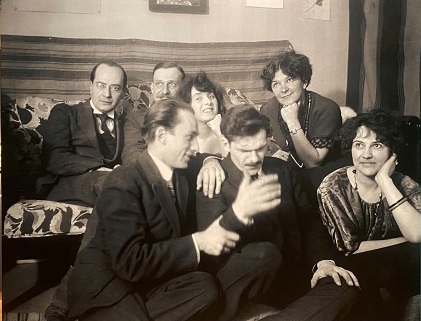
Валерій Руденко, Катерина Грек, Тетяна Ємчук. «Мирон Кордуба: Спадщина української географії».
“[Myron] Korduba’s principles and postulations in geography . . . include ideas on the space, territory, and population of Ukraine; on the Ukrainian people, state, and language; on the treatment of geographical names as a historical source; and on the gleaning of information from the names of settlements. . . . His scholarly oeuvre, extraordinarily hard-working nature, fluency in the major European languages, immersion in global scholarly processes, and grasp of the Ukrainian perspective—together with his unwavering defence of universal human values—are true and inspiring examples for present-day and future generations of Ukrainians travelling a path in support of the integration of the Ukrainian state and civil society into the community of independent states of Europe and the world.”
Повний текст за адресою: https://ewjus.com/index.php/ewjus/article/view/688
Андрій Жемаковський. «Юрій Шевельов як історик української мови».
“Russian imperialistic propaganda is still present in many Slavic-studies curricula globally, which thus marginalizes Ukrainian culture and history. This propaganda and its influence also distort the history of the Ukrainian language, which experienced long periods of repression, as well as outright prohibition, in imperial Russia and the Soviet Union. Prior to 1917, the issue of the separateness of the Ukrainian language from the Russian language was both linguistic and political in nature. The voices of linguists were crucial in proving to other academics and the wider public that Ukrainian was indeed a distinct language with a long history, equal to any other Slavic language, including Russian.”
Повний текст за адресою: https://ewjus.com/index.php/ewjus/article/view/890
Пьотр Врубель. Рецензія книжки: «Мирон Кордуба. Щоденник, 1918–1925».
“The editors of [Myron Korduba’s] diary under review, Ola (Olia) Hnatiuk and Mirosław Czech (Myroslav Chekh), deserve special recognition. Given that the original text is a handwritten primary source, some parts of it are hardly legible; great pains have been taken to transpose the words. . . . Oleh Pavlyshyn’s foreword is probably the best existing biographic text on Korduba. The extensive footnotes clarify the text and together with the additional explanatory sections and indexes represent a kind of encyclopedia of early twentieth-century Ukrainian history—a helpful resource for information on lesser-known national figures and institutions of that era.”
Повний текст за адресою: https://ewjus.com/index.php/ewjus/article/view/892
Сімоне Белецца. Рецензія книжки Вікторії Куделі-Свьонтек, Eternal Memory: Monuments and Memorials of the Holodomor.
“[Wiktoria Kudela-Świątek’s] monograph represents the first attempt at systematically and comprehensively analyzing the memorialization of the Holodomor by exploring the trend of the construction of monuments and memorials to the victims of this man-made famine of 1932–33. . . . Furthermore, [the book] demonstrates the key role played by such memorialization in helping build a strong sense of national belonging among Ukrainians.”
Повний текст за адресою: https://ewjus.com/index.php/ewjus/article/view/893